Cracked Chimney Crown? The Cost of Ignoring It in 2026
It is difficult for a homeowner to understand all aspects of the chimney. There are so many different parts and functions for each component. Before I can move forward with this blog, I must stress the importance of booking an annual chimney sweep and inspection.
You will learn that a crack in a chimney crown can be very costly the longer you wait to fix it.
 What is a Chimney Crown?
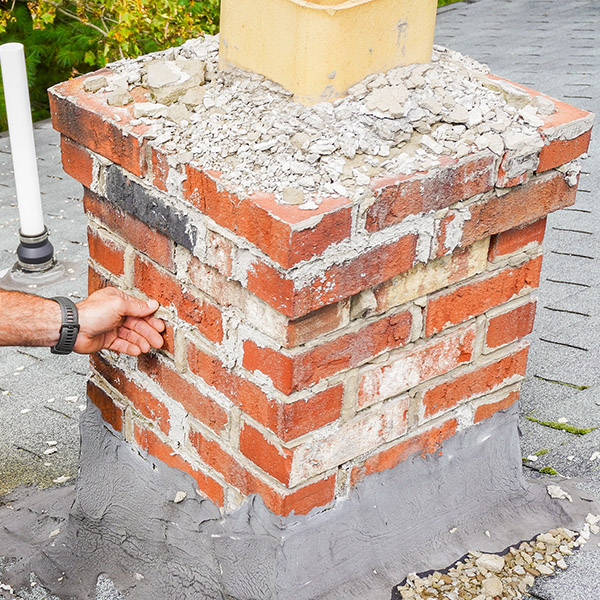
Before we can go any further in this article, you need to know what exactly a chimney crown is. The chimney crown is a cap that protects the top of the chimney opening. You may think of it as an umbrella that keeps rain, small animals, and debris from getting into the chimney. The crown is usually made of concrete or mortar.
Benefits of a Chimney Crown:
- Prevents water from soaking into the brick and mortar.
- Directs rain and snow away from the chimney.
- Helps stop the freeze-thaw effect.
- Expands the overall life of the chimney.
What Might Cause Cracking?
It is one of the most common causes of chimney leaks. You will be surprised by how much water can get into the chimney through very small cracks. Common reasons a crown may crack include freeze-thaw cycles, poor construction, thermal expansion, age and weather exposure, water saturation, or structural movement.
Signs There May Be An Issue:
- Cracks or chipping of the mortar or concrete.
- Flaking of pieces.
- Moisture in the firebox or a rusted damper.
- Water stains on the brick.
Why Address These Issues?
The longer you wait for repairs, the higher the cost will be—small cracks only grow. There is no denying this. Here are some of the costly repairs.
- Water damage inside the chimney. Water gets into the brick and mortar as they are porous. Water will deteriorate the bricks faster.
- Interior leaks and structural damage. Water travels from the chimney to the attic, walls, and ceilings. This can affect wood, insulation, and finishes. It can also cause mold to grow.
- Deterioration of chimney structure. Once water gets into the masonry and brick, freeze-thaw cycles can cause crumbling and spalling. This may weaken the chimney, pose a safety risk, and require major rebuilding.
- Damage to surrounding units, such as the chimney cap and flue. Water can saturate and corrode metal components. If these parts become rusted, they don’t work properly and invite pests.
 How To Stop It Early?
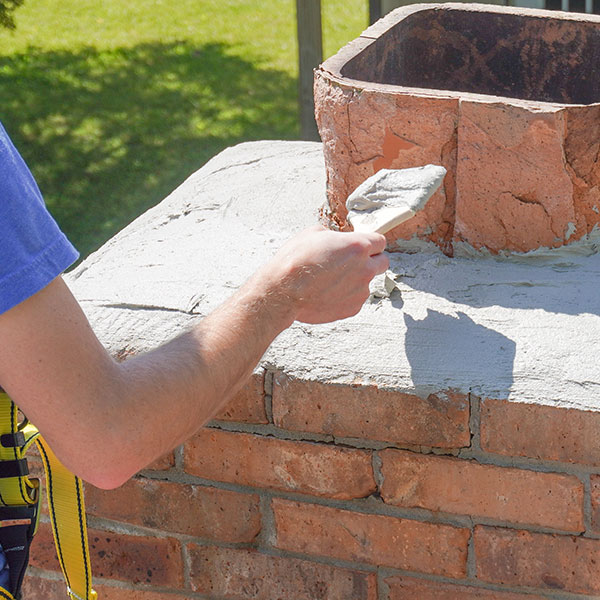
As mentioned earlier, contacting a professional chimney company, such as Northeastern Chimney Inc., for a chimney sweep and inspection is your first defense.
Our team at Northeastern Chimney recommends an annual Chimney sweep and inspection. When a problem arises, the best plan is to tackle it as soon as possible. This will cost you much less than if you let the damage to the fireplace and bricks go on too long.