


Are Your Spring Allergies Made Worse by Fireplace Smoke & Odors?
If you dearly love your wood-burning fireplace but find that smoke and odors are intensifying your allergies, you need a solution. Depending on the severity of your allergy, you might consider creating less smoke from your fireplace and reducing or eliminating odors from the chimney.
Northeastern Chimney of West Hartford, CT, would like to tell you how these strategies could work.
 Helping an allergy by reducing fireplace smoke
Excess smoke from a wood-burning fireplace is unpleasant for most people, whether or not they have an allergy. If smoke causes your allergy symptoms to flare up, try these tips for reducing smoke.
-
Check the damper
A fireplace damper that won’t open fully when starting a fire could prevent the initial excess smoke from rising up through the chimney. The only other place for it to go is into your room. If you’re not sure about your damper’s condition, have it inspected.
-
Easy with your log stack
Chimney flues are (or should be) sized to efficiently draft “normal” fires in the fireplaces they’re connected to. If you build a gigantic log stack, it might create more smoke than the chimney system can handle at one time. If this is a problem, burn fewer logs.
-
Burn only firewood
Items such as cardboard, packing materials, plastic containers, furniture, magazines, and the like often produce large amounts of smoke. They also release toxins that are harmful to breathe. Burn only harvested firewood in your fireplace.
-
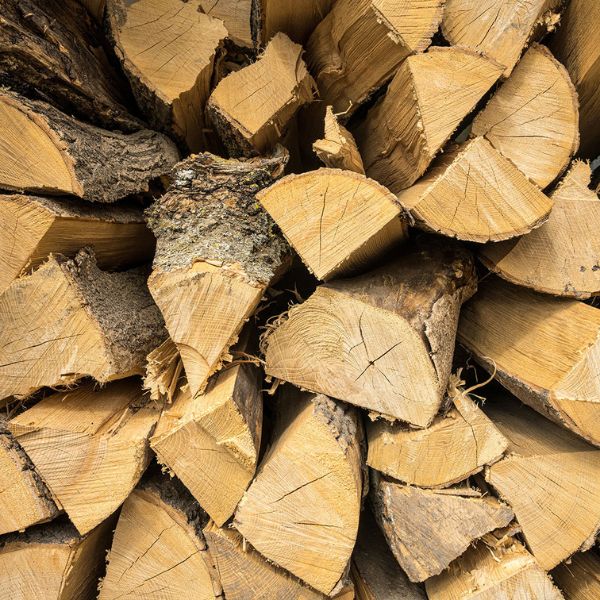
The type of firewood
Hardwoods typically burn with much less smoke than softwoods. Hardwoods include walnut, oak, ash, beech, and hickory. Softwoods include pine, fir, juniper, redwood, and spruce.
Dry, seasoned wood is less smoky than damp, unseasoned wood. After harvesting, the rule of thumb is to let the wood sit for six months in a dry area, so it loses most of its natural moisture.
Reducing chimney odors for people with allergies
For some people, strong sooty odors can be enough to trigger or worsen allergy symptoms. But even if you don’t have an allergy, you probably can’t stand smells coming from your chimney.
Several things can cause a smelly chimney.
Excess buildup of creosote and soot
Both of these substances give off a very smoky smell. You can have them removed from your flue through professional chimney sweeping. You can create less creosote by generating less smoke, as explained above.
Rotting tree debris
Leaves, twigs, and other debris from nearby trees can rot inside a chimney and produce heavy odors. If there’s a lot of moisture in the flue, it will add a musty, mildewy smell.
Small animals
Birds, squirrels, rodents, and other small animals often shelter in chimneys. Some of them build nests that not only smell bad but can also obstruct the flue, causing drafting problems and smoke backups. Some of them die in the chimney and create a smell that can fill a house.
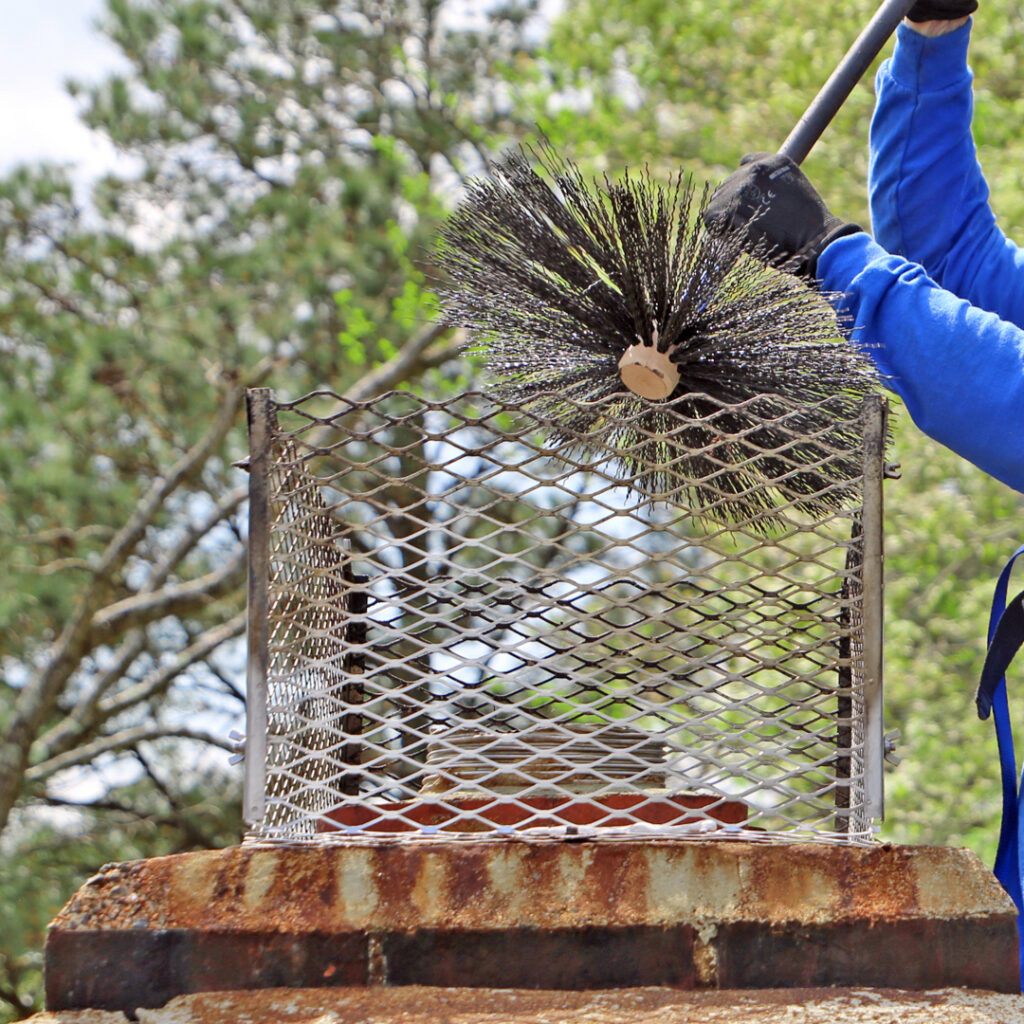
You can keep tree debris, nests, and dead animals out of your chimney by installing a secure chimney cap. You can keep water out of your chimney by repairing leaks.
 Call your Connecticut chimney experts
Northeastern Chimney provides a full menu of chimney services, including chimney sweeping, chimney repairs, resolving drafting issues, and component installation. Let us help you keep your chimney in top working condition and be gentler on your allergies.
Reach a West Hartford, CT, chimney expert by phone or through our contact form.